
Paint Protection vs. Traditional Waxing: What UK Drivers Need to Know


Understanding Paint Protection
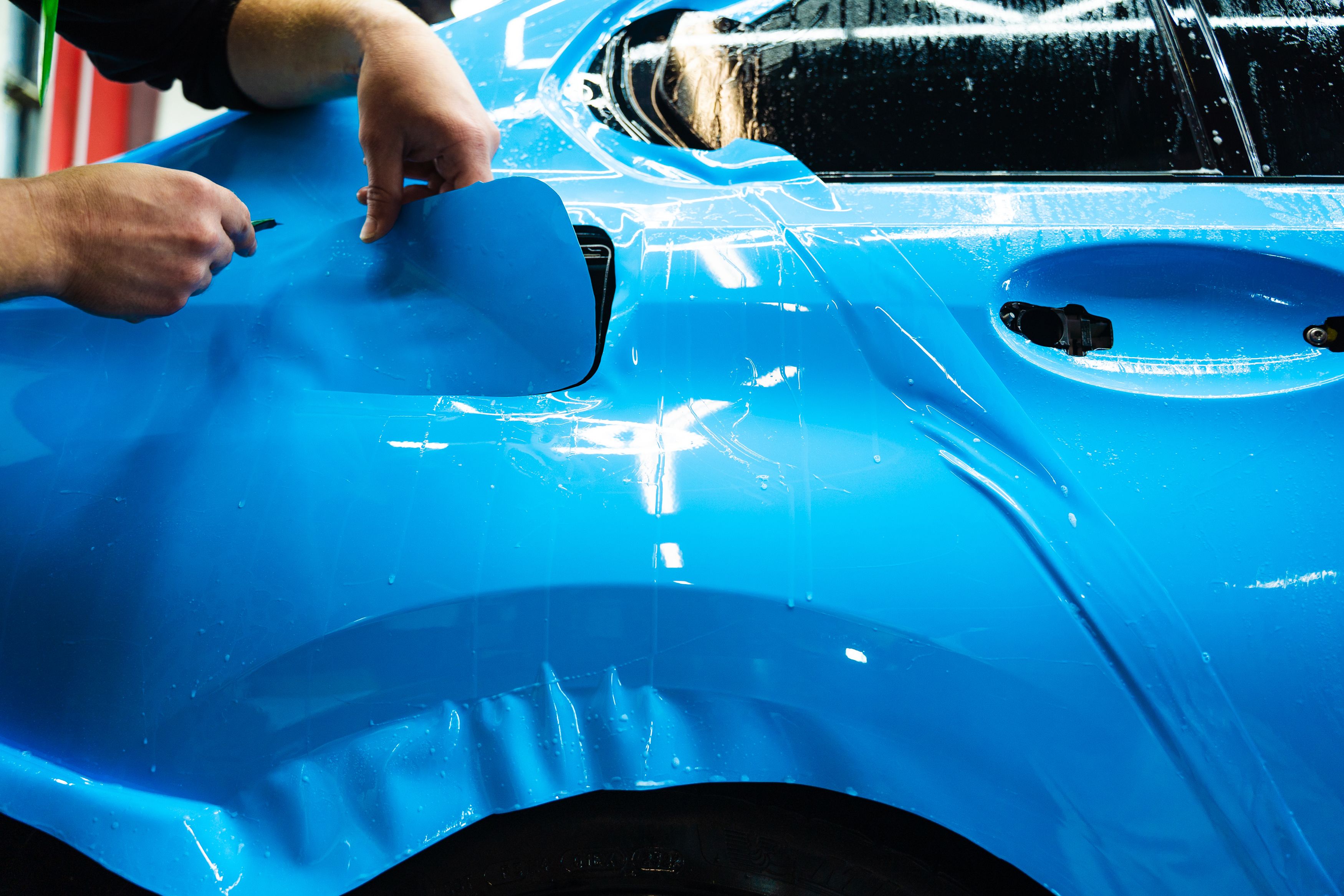
For UK drivers, maintaining the appearance and value of their vehicles is a top priority. One of the most effective ways to achieve this is through paint protection. Unlike traditional waxing, paint protection involves applying a durable coating that shields the car's exterior from environmental damage. This advanced solution is gaining popularity among motorists who want long-lasting results.
Paint protection products, such as ceramic coatings, create a protective layer that bonds with the car's paintwork. This layer acts as a barrier against UV rays, bird droppings, tree sap, and road debris. As a result, the vehicle's paint remains in pristine condition for extended periods, reducing the need for frequent maintenance.
The Benefits of Traditional Waxing
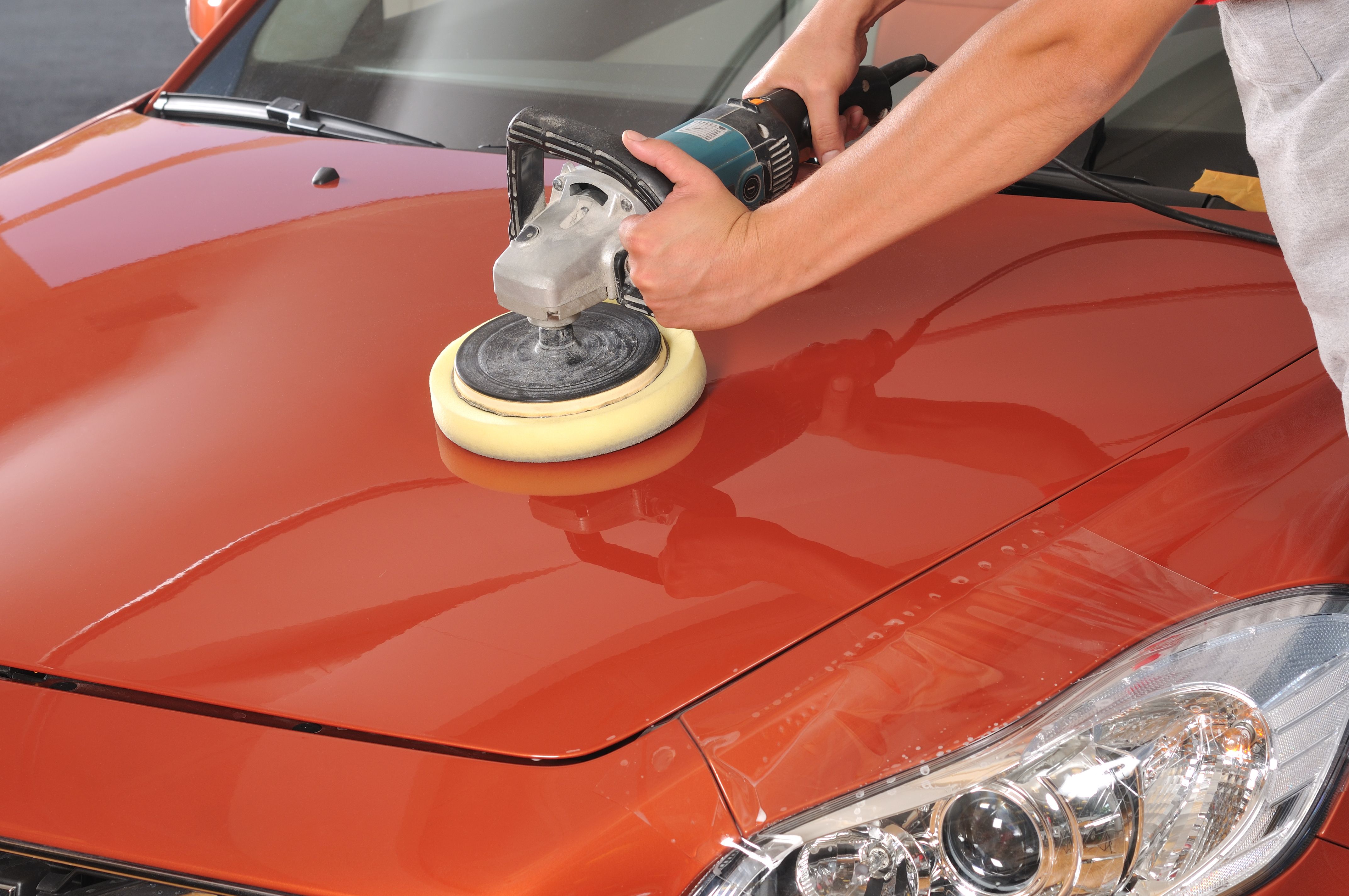
Traditional waxing has been a go-to method for car enthusiasts for decades. It provides a glossy finish that enhances the vehicle's appearance and offers some level of protection against the elements. Waxing is generally more affordable and can be applied by car owners themselves, making it a popular choice for those who enjoy hands-on vehicle care.
However, it's important to note that the protective capabilities of wax are relatively short-lived. Regular reapplication is necessary to maintain its effectiveness, as exposure to weather conditions can quickly diminish its protective layer. This means that while waxing provides immediate aesthetic benefits, it may not offer the same long-term protection as modern alternatives.
Comparing Durability and Maintenance
When comparing paint protection and traditional waxing, one of the key differences is durability. Paint protection coatings can last several years with proper care, whereas waxing typically requires reapplication every few months. This makes paint protection a more convenient option for drivers who prefer minimal maintenance.
Additionally, paint protection coatings often come with warranties, providing peace of mind for vehicle owners. These warranties can cover issues such as fading, staining, and oxidation, ensuring that the vehicle remains in top condition without frequent touch-ups.
Cost Considerations
The initial cost of paint protection is generally higher than traditional waxing, but the long-term benefits often justify the investment. By reducing the frequency of reapplications and offering superior protection, paint protection can ultimately save drivers money over time.
For those on a tighter budget, traditional waxing offers an affordable way to keep cars looking fresh. However, it is important to weigh the short-term savings against the potential costs of more frequent waxing and potential paint repairs.
Choosing the Right Option for You
Deciding between paint protection and traditional waxing depends on various factors, including budget, time, and vehicle usage. For drivers seeking a low-maintenance, long-term solution, paint protection is an excellent choice. It provides robust protection and enhances the vehicle's resale value.
On the other hand, if you enjoy the process of car care and don't mind regular upkeep, traditional waxing can still be a viable option. It allows for frequent hands-on interaction with your vehicle, which some car enthusiasts find rewarding.
Conclusion
In summary, both paint protection and traditional waxing have their place in car care routines. Understanding the differences and benefits of each can help UK drivers make informed decisions that align with their preferences and needs. Whether opting for the lasting shield of paint protection or the classic appeal of waxing, maintaining your vehicle's appearance is a worthy investment.